
Key Takeaways
- Grasping the concept of energy assessments
- Timing for energy assessments in January
- Overview of residential energy evaluations
- Getting ready for your residential energy assessment
- Selecting the appropriate energy assessment provider
- Enhancing advantages from your energy assessment
Understanding Energy Audits
Energy audits are comprehensive evaluations aimed at identifying areas where energy use can be optimized. Conducting energy audits, particularly during January energy audit windows, allows homeowners to capitalize on potential energy tax incentives, especially related to windows and other clean energy upgrades. The Department of Energy emphasizes the importance of these assessments in developing effective energy management strategies. By focusing on energy audits, individuals can uncover opportunities to reduce their energy consumption while enhancing comfort and efficiency in their homes. By addressing energy use through audits, homeowners can take proactive steps towards a sustainable future.
- A thorough evaluation of energy consumption in homes and buildings.
- Identification of energy-saving opportunities and cost-effective upgrades.
- Recommendations for improvements, such as insulation or energy-efficient appliances.
- Potential eligibility for tax incentives and rebates related to energy efficiency.
- Enhanced comfort due to optimized heating and cooling systems.
- Long-term cost savings through reduced energy bills.
- Contribution to environmental sustainability by lowering carbon footprint.
Definition of Energy Audits
An energy audit involves a detailed assessment of a home or building to evaluate its energy usage and identify potential areas for improvement. This process includes thorough inspections that uncover energy inefficiencies and provide insights into how much energy is consumed. Auditors utilize various tools to analyze energy consumption patterns and recommend strategies to enhance energy efficiency. Information from energy.gov serves as a valuable resource in understanding best practices for energy audits.
The January energy audit windows present a prime opportunity for homeowners to seek professional evaluations. Conducting these audits during this month can reveal critical insights into how energy is used throughout the year. By addressing energy inefficiencies discovered during the audit, homeowners can implement energy-efficient solutions that lead to lower utility bills. Ultimately, a comprehensive energy audit helps to transform a property into a more sustainable and energy-efficient space.
Importance of Conducting Energy Audits
Conducting energy audits plays a vital role in identifying potential areas for energy savings in homes and businesses. By assessing the efficiency of heating systems and HVAC systems, property owners can make informed decisions about necessary upgrades. Resources like energystar.gov provide insights into energy conservation measures that can be implemented. Scheduling a January energy audit can take advantage of favorable conditions and often leads to better results, especially when examining heating systems and window efficiency.
The U.S. Department of Energy’s guidelines emphasize the importance of regular energy audits to understand overall energy consumption. Utilizing specialized tools during these evaluations helps homeowners pinpoint inefficiencies in their HVAC systems and other energy-related areas. Implementing recommendations from an energy audit can significantly enhance a property’s energy-efficient capabilities, reduce waste, and promote the use of renewable sources like wind energy. The timely scheduling of audits, particularly through January energy audit windows, maximizes opportunities for savings.
January Energy Audit Windows
Scheduling a January energy audit provides homeowners with a strategic opportunity to assess and enhance their home’s efficiency. The audit focuses on critical components such as HVAC systems and furnaces, addressing how well these heating and cooling systems function during the colder months. This timeframe allows for the identification of areas to improve, ultimately leading to reduced energy consumption. A thorough inspection may include evaluating appliances, stoves, and water heating systems, utilizing techniques like thermal imaging to pinpoint inefficiencies. Homeowners can also take advantage of potential tax credits or rebates related to energy-saving upgrades, making January energy audit windows an ideal time for comprehensive evaluation and enhancement of home energy performance.
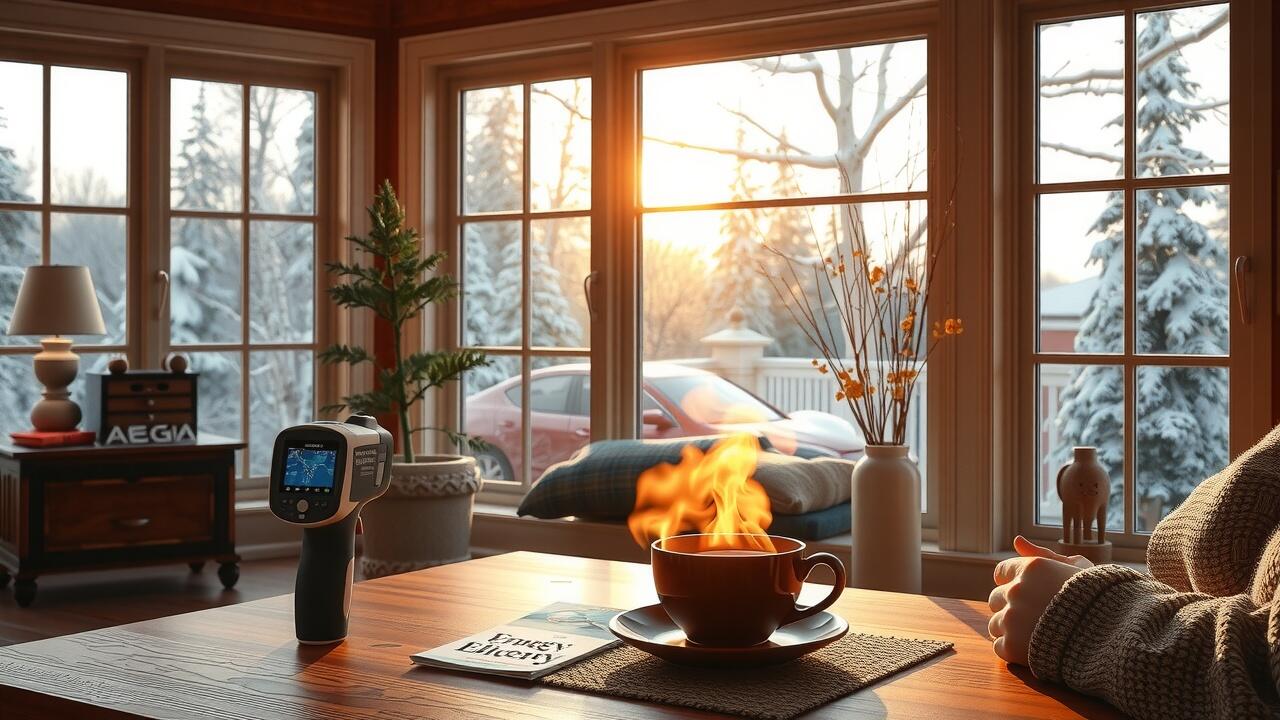
Benefits of Scheduling an Audit in January
Scheduling an energy audit in January offers unique advantages. Homeowners can take advantage of January energy audit windows to assess their heating systems, such as boilers, just as winter is in full swing. A professional energy audit can provide insights on improving energy efficiency, leading to potential tax credits for upgrades. Residents may find that investing in an Energy Star-rated appliance or solar water heating system can significantly reduce utility costs while also qualifying for incentives.
Timing an energy audit for January can also enhance the effectiveness of the recommendations provided. A comprehensive energy audit conducted during this month can highlight areas for improvement in insulation and air sealing when the cold weather reveals drafts and inefficiencies. Completing a home energy audit now allows for planning necessary upgrades before tax season, ensuring that residents capitalize on available tax credits and rebates for energy-efficient improvements.
Factors to Consider for January Energy Audits
Scheduling a January energy audit can provide unique advantages for homeowners. During this month, the availability of energy-efficient windows tends to be higher due to manufacturers preparing for the busy spring season. Home energy auditors often emphasize the importance of addressing windows energy efficiency during a thorough energy audit. A full-blown energy audit conducted in January can help identify areas where energy loss occurs, paving the way for potential upgrades that can improve your home’s comfort and reduce utility bills.
Temperature fluctuations in January can also amplify the need for energy-efficient solutions. Home energy audits conducted this month can reveal if your existing windows are performing adequately or if cost-based windows energy upgrades are necessary. Home energy auditors may perform a walkthrough energy audit to assess the effectiveness of current insulation and window seals. These insights can guide homeowners toward making informed decisions that enhance overall energy efficiency while increasing property value over time.
Home Energy Audit Overview
A home energy audit is a comprehensive evaluation designed to identify areas where energy is being wasted and to recommend improvements for increased efficiency. During this assessment, homeowners can explore options for energy-efficient window solutions, such as energy-saving windows that can significantly reduce heating and cooling costs. Conducting a January energy audit takes advantage of lower demand periods, allowing energy managers to thoroughly evaluate a home’s insulation and overall efficiency. Utilizing residential energy services helps homeowners understand clean energy expenses and navigate energy certification programs. By engaging in home energy evaluations, homeowners can access potential clean energy tax credits, enhancing the financial benefits of implementing recommendations from the energy assessment.

Steps Involved in a Home Energy Audit
A home energy audit begins with a thorough assessment of the residential property. This often includes a preliminary DIY audit that homeowners can conduct themselves before calling in the professionals. During this stage, it’s vital to check residential windows and doors for air leaks and insulation gaps. Certified home energy auditors will then evaluate the energy efficiency rating of the property against the energy efficiency standards set by the energy efficiency department, which can lead to identifying potential energy efficiency upgrades.
Following the initial assessment, the auditor will perform detailed inspections and tests. These procedures may involve using advanced tools to analyze the efficiency of heating and cooling systems, as well as inspecting specific elements like residential energy property and clean energy property installations. Homeowners should also inquire about potential eligibility for IRS energy credits after making recommended upgrades, especially those that enhance the performance of January energy audit windows, thus maximizing the overall energy efficiency of their homes.
Tools and Techniques Used in Home Energy Audits
A thorough home energy audit utilizes various tools and techniques to identify areas of improvement. Energy efficiency machines help assess the performance of windows, revealing how new windows can significantly reduce energy drains. Auditors often check January energy audit windows to ensure that they meet efficient windows ratings, as these specifications can lead to potential savings on energy bills. By understanding the importance of efficient windows tax credits, homeowners can make informed decisions to enhance their own energy efficiency.
Trusted home energy auditors employ comprehensive home energy assessment strategies to pinpoint inefficiencies. Techniques such as blower door tests and infrared thermography provide insights into air leaks and thermal performance. This data helps highlight the benefits of upgrading to energy-efficient windows, which can drastically improve overall energy efficiency in a home. Through these evaluations, homeowners gain valuable information on how to optimize their living spaces for maximum comfort and lower energy costs.
How to Prepare for Your Home Energy Audit
Preparing for your home energy audit is essential to ensure that you maximize the benefits of the process. Taking advantage of January energy audit windows can be particularly advantageous, as energy efficiency improvements made during this time might align with available residential energy credits and clean energy credits. Homeowners should focus on maintaining rigorous energy efficiency requirements to enhance overall energy performance. By assessing areas for clean energy generation and planning for effective energy efficiency, individuals can transform their homes into energy-efficient homes. A thorough checklist can guide homeowners through common areas to check in advance, setting the stage for a successful audit that could lead to significant energy savings and improved energy maintains.
Checklist for Homeowners
Homeowners preparing for a January energy audit should begin by assessing their overall home energy efficiency. Taking a closer look at energy usage habits can provide insight into areas where improvements can be made. Consider inspecting the state energy efficiency of the home, including insulation levels and the condition of operable windows. This proactive approach can potentially lead to significant energy efficiency upgrades, which will ultimately help reduce energy bills and lower energy costs.
It’s also essential to gather relevant documentation prior to the audit. This includes previous energy bills that reflect usage patterns and any records of past home energy upgrades. A thorough understanding of your energy consumption will assist the energy management group during the January energy audit windows. Additionally, knowing about any qualified energy property can guide discussions on possible enhancements and incentives for energy efficiency projects.
- Make a list of all energy-related appliances and their usage frequency.
- Check for drafts around doors and windows and seal any leaks.
- Inspect and clean HVAC filters to ensure optimal performance.
- Review insulation in attics, basements, and crawl spaces for adequate coverage.
- Know the age and efficiency ratings of your heating and cooling systems.
- Schedule repairs for any broken or outdated energy systems before the audit.
- Research available energy efficiency rebates and incentive programs in your area.
Common Areas to Check Before the Audit
Inspecting your exterior windows is crucial before a home energy audit. Inefficient windows may lead to significant energy loss, compromising the overall energy performance of your home. January energy audit windows present a perfect opportunity to identify these issues while taking advantage of cooler temperatures. Homeowners should be aware of the energy efficiency requirements set by their local community energy programs. Implementing upgrades like energy-efficient windows can yield substantial energy efficiency savings over time.
Another area to prioritize is your home’s insulation. Proper insulation plays a vital role in maintaining a comfortable indoor environment and reducing energy costs. Gaps in insulation can lead to heat escaping during the winter months, impacting your energy-efficient home status. Engaging qualified home energy professionals can help assess your insulation’s effectiveness. Prioritizing these checks enhances the chances of qualifying for energy-efficient property costs and potential rebates from community energy programs, especially during a January energy audit.
Choosing the Right Energy Audit Provider
Selecting a qualified energy auditor is crucial for identifying major energy loss and discovering hidden energy efficiencies in your home. It is important to find experts who can evaluate your property accurately, particularly during periods like January energy audit windows, when energy use patterns are distinct. Look for professionals well-versed in energy-saving appliances and aware of available energy efficiency rebates and incentives. These auditors should provide assessments that highlight exact energy efficiency levels, enabling homeowners to implement cost-effective energy efficiency improvements. Prioritizing experienced auditors can lead to discovering opportunities for significant savings, including potential home energy rebates, ultimately enhancing your property’s energy performance.
What to Look for in an Energy Auditor
Selecting the right energy auditor is crucial for identifying potential energy leaks within your home. A qualified auditor should have experience in assessing various aspects of energy consumption, particularly in the context of January energy audit windows. Pay special attention to their ability to evaluate the condition of high-quality windows, as well as their understanding of how these windows contribute to overall energy efficiency. They should also be knowledgeable about energy-efficient upgrades that can significantly reduce energy costs over time.
An effective energy auditor will offer tailored recommendations for improvements based on their findings. This includes assessing the need for new heating systems or suggesting Energy Star appliances that can enhance your home’s energy profile. Look for an auditor who can guide you through making energy-saving expenditures that deliver long-term benefits. Their expertise should extend to advising on high-performance windows, ensuring that you make informed decisions during your energy audit process.
Cost Considerations for Energy Audits
Various factors influence the cost of energy audits. The size of the home and the complexity of its systems can lead to differing prices. For instance, homes with many windows or skylights may require more extensive evaluations, as these features often contribute to significant energy waste. A certified auditor can identify these issues and suggest energy-saving home improvements tailored to the specific characteristics of the property. Scheduling your audit during January energy audit windows may also yield cost-effective deals, as many energy providers offer incentives or rebates to encourage audits and subsequent energy-efficient home improvements.
Homeowners should also consider the potential return on investment from implementing energy-efficient features. The initial cost of a home energy audit might seem daunting, but the insights gained can lead to substantial energy savings over time. Many energy providers offer home energy rebates for implementing the recommendations made by the auditor. Prioritizing energy-efficient improvements can result in lower utility bills and an overall enhancement in comfort levels within the home. Evaluating these cost considerations can help homeowners make informed decisions about scheduling their audits and investing in energy-saving solutions.
Maximizing Benefits from Your Energy Audit
To fully leverage the outcomes of your energy audit, focus on several key areas. Scheduling your assessment during the January energy audit windows can provide insights into your HVAC systems and their performance. Reviewing your thermal efficiency rating will help identify potential energy-saving improvements. Keep comprehensive tax records and detail your electric property expenditures to understand your financial position better. Analyze how your oil furnaces and appliances perform, particularly in terms of electric and cooling efficiency. It’s essential to address any indoor air leaks identified during the audit, as they can significantly impact your home’s energy consumption and overall comfort. Taking these steps will ensure you maximize the benefits derived from your energy audit.
Conclusion
The January energy audit windows present a prime opportunity for homeowners to undergo a comprehensive assessment of their energy usage. By scheduling an audit during this time, homeowners can evaluate their current systems and explore options like biomass stoves that may improve energy efficiency. Understanding the efficiency tier of various appliances and systems can lead to significant savings and a reduced carbon footprint. Taking advantage of the insights gained from a January energy audit can empower homeowners to make informed decisions that enhance their overall energy performance.
FAQS
How can energy efficient windows contribute to energy use reduction during residential energy audits?
Energy efficient windows play a crucial role in residential energy audits by reducing energy consumption through improved insulation and minimizing heat loss. Qualified energy efficiency upgrades, such as installing energy efficient windows, can enhance the overall energy efficiency of a home. During home energy assessments, experts often pay special attention to windows and skylights, as they significantly impact the total energy used in a household. This focus can lead to better internal revenue for homeowners through energy efficiency incentives, ultimately helping to close windows on excessive energy waste.
What specific benefits do energy efficiency windows provide in terms of reducing energy consumption during energy audits?
Energy efficiency windows are designed to reduce energy consumption by minimizing heat loss and gain, which leads to a more energy-efficient home. When audited by a qualified energy efficient expert, these windows can significantly improve the overall performance of closing windows, ensuring that certain energy standards are met. Additionally, the use of windows/skylights that are energy efficient can enhance the comfort of the home while also lowering utility bills.
What factors should homeowners consider to enhance the energy efficiency of their home when installing new windows?
To enhance energy efficiency in a home, homeowners should consult with an expert window company to discuss high-performance glazing options, proper insulation, and frame materials that contribute to the overall energy efficiency home.
What are the best practices for homeowners to follow when assessing the energy efficiency of new windows during an energy audit?
Homeowners should consider factors such as window placement, insulation quality, and the type of glazing when assessing the energy efficiency of new windows during an energy audit. It’s also important to evaluate the overall design to maximize natural light while minimizing heat loss.
What role do energy-efficient windows play in improving the overall energy performance of homes highlighted through an energy audit?
Energy-efficient windows play a crucial role in enhancing the overall energy performance of homes, as they significantly reduce heat loss and gain. During an energy audit, homeowners can identify how these windows contribute to increased comfort, lower energy bills, and reduced environmental impact.