
Key Takeaways
- Significance of energy-saving windows during the cold season.
- Varieties of energy-conserving windows accessible in the market today.
- Role of energy-efficient windows in enhancing comfort during winter months.
- Best practices for installing energy-saving windows for maximum efficiency.
- Expenses and financial benefits associated with energy-efficient windows.
- Latest advancements in technology related to energy-conserving windows.
Energy Efficient Windows Winter | Importance of Energy Efficient Windows in Winter
Energy-efficient windows play a crucial role in maintaining comfort and reducing energy consumption during the winter season. By incorporating advanced technology, these windows minimize heat loss and enhance thermal energy retention, resulting in significant energy savings. The Office of Energy Efficiency and Renewable Energy highlights that improved energy efficiency not only lowers energy use but also contributes to better indoor air quality. As temperatures drop, investing in energy efficient windows winter becomes paramount for homeowners looking to optimize energy efficiency and curb escalating energy costs. The right choice in window technology can lead to substantial long-term benefits in energy consumption and overall comfort.
Energy Efficient Windows Winter | Benefits of Energy Efficiency During Cold Months
Energy efficient windows winter play a crucial role in enhancing thermal efficiency during colder months. By providing insulated barriers against frigid temperatures, these windows help minimize heat loss in homes. According to the U.S. Department of Energy, energy-saving features significantly reduce energy consumption for heating. This not only supports lower utility bills but also lessens the reliance on non-renewable energy sources, contributing to environmentally friendly practices.
Choosing energy efficient windows winter means investing in a comfortable living space regardless of external weather conditions. These windows help maintain consistent indoor temperatures, resulting in less energy used for heating and cooling. With the benefits of reducing energy consumption, homeowners can expect improved efficiency and comfort without sacrificing aesthetics. The integration of high-performance features in insulated windows showcases a commitment to sustainable living while addressing the seasonal challenges of winter.
- Reduced heating costs due to better insulation
- Increased home comfort by maintaining stable indoor temperatures
- Lower carbon footprint from decreased energy consumption
- Enhanced noise reduction, creating a quieter indoor environment
- Higher property value due to energy-efficient upgrades
- Potential tax credits or rebates for energy-efficient home improvements
- Protection from UV rays, which can help preserve furnishings and decor
Key Features to Look For
Selecting the right features for energy efficient windows winter is crucial for maintaining comfort in your home. Look for windows with thermal insulation that prevent heat loss during freezing temperatures. Double-pane or triple-pane glass windows with thermal breaks can significantly enhance energy efficiency. This is particularly important in extreme weather conditions, where drafty windows can lead to higher energy bills and discomfort. Window coverings can also play a role in improving insulation and further stabilizing indoor temperatures.
Consider windows that are certified by Energy Star, as these products meet strict efficiency standards suitable for various climates. In warmer climates, features that minimize solar heat gain are essential, while in colder regions, window designs should focus on retaining heat. Investing in energy efficient windows winter ensures that your home remains cozy and well-protected against harsh weather elements. Factors such as Low-E coatings can help in reflecting heat back into your home, optimizing energy use throughout the year.
Types of Energy-Efficient Windows Available Today
Energy efficient windows winter are crucial for maintaining home comfort during colder months. These windows often feature multi-pane designs, such as double-pane or triple-pane, which significantly reduce heat flow and help retain warmth inside the home. Weatherization plays an important role in maximizing energy efficiency, ensuring that window frames are tightly sealed to prevent drafts. Certain types of window frames, including vinyl and fiberglass, offer superior insulation and durability. The use of Low-E coatings enhances solar heat gain without compromising the view, making these windows ideal for various climate zones. Skylights can also contribute to natural lighting while maintaining thermal efficiency. Choosing windows with the Energy Star label ensures optimal performance, making a substantial difference in heating costs and the efficiency of your HVAC system during the winter climate.
Double-Pane vs. Triple-Pane Windows
Choosing between double-pane and triple-pane windows is crucial for homeowners seeking energy-efficient solutions during the winter months. Double-pane windows consist of two sheets of glass that create an insulating barrier, significantly reducing heat loss. This option can make single-pane windows more energy efficient for the winter, offering around 45% more energy efficiency than their single-pane counterparts. On the other hand, triple-pane windows add a third layer of glass, providing even better insulation. These cold-weather windows minimize drafts and keep indoor spaces warm, making them ideal for regions facing harsh winter temperatures.
For those considering energy-efficient replacement windows, triple-pane options could be worth the investment. These energy-efficient windows not only enhance insulation but also improve indoor comfort levels while reducing energy bills. Solar screens can further enhance the performance of both double and triple-pane windows by blocking harmful UV rays and minimizing solar heat gain. Homeowners looking to maximize their energy efficiency in winter should prioritize Energy Star windows, as these meet strict energy efficiency guidelines and offer significant savings over time.
- – Double-pane windows are generally more affordable than triple-pane options.
- – Triple-pane windows provide superior sound insulation, making them ideal for noisy environments.
- – Both double and triple-pane windows can be customized with different coatings for additional energy savings.
- – The choice between double and triple-pane windows can depend on local climate and personal budget.
- – Energy efficiency ratings, such as U-factor and SHGC, should be considered when selecting windows.
- – Proper installation is crucial for maximizing the benefits of either window type.
- – Homeowners can improve overall energy performance by pairing windows with quality insulation and weatherstripping.
Low-E Coatings and Their Advantages
Low-E (low emissivity) coatings are vital for enhancing energy-efficient windows during winter. These coatings work by reflecting infrared light while allowing visible light to enter. By minimizing heat loss and preventing drafts, they help maintain a comfortable indoor temperature during cold winter nights. Energy-efficient windows are specially designed to reduce the amount of heating energy required, making them an excellent choice for homeowners as winter approaches.
The application of Low-E coatings ensures optimized energy performance in energy-efficient products. Homeowners can significantly increase the efficiency of their window coverings with these coatings. Following energy efficiency guidelines with the right windows can lead to substantial long-term savings on heating bills. Selecting windows with Low-E coatings is an investment in energy-efficient windows for winter, providing lasting comfort and savings.
How Energy Efficient Windows Contribute to Winter Comfort
Energy efficient windows winter play a crucial role in enhancing comfort during harsh winter environments. Their energy efficiency rating reflects their ability to minimize heat loss, making them essential for maintaining warm indoor temperatures. As the sun’s rays strike at a lower angle during winter months, properly installed windows with low-E coatings optimize natural light while reducing energy consumption. This contributes to a reduction in energy costs and supports initial energy-efficiency investments. Choosing energy-efficient replacement windows not only improves energy performance but also leads to long-term energy savings as they effectively combat the impacts of cold temperatures. In summary, the right windows can significantly improve comfort while navigating the challenges presented by winter.
Reducing Heat Loss
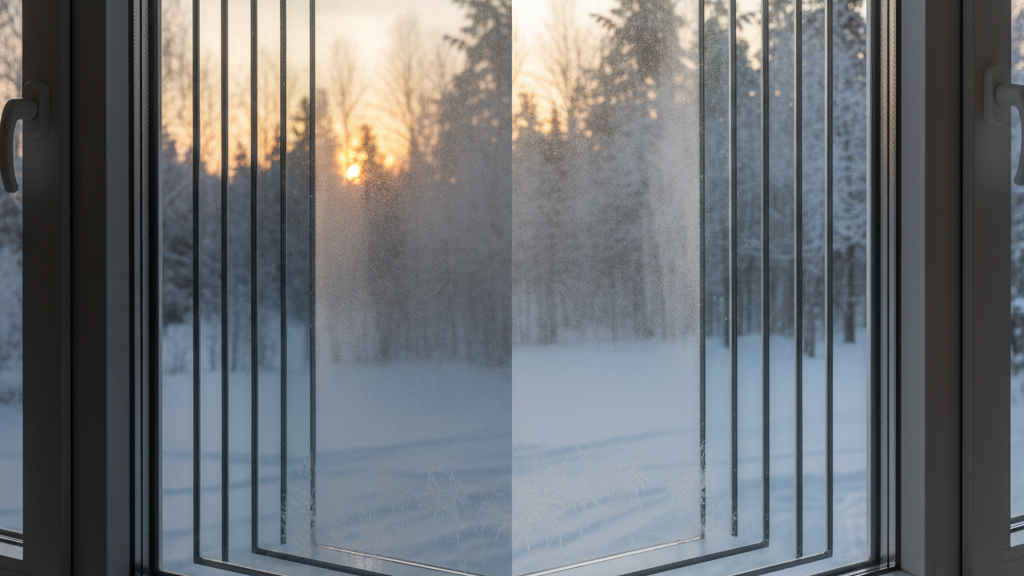
Energy efficient windows winter play a crucial role in minimizing heat loss during the cold weather months. These windows often feature advanced energy-efficient glass types that dramatically reduce heat transfer. Homeowners can enhance energy efficiency ratings by opting for double or triple-pane designs, which provide superior insulation against the chill of winter. Storm windows or window panels can also be an effective addition, acting as a barrier that helps maintain warmer indoor temperatures in cold climates.
Choosing energy efficient windows is especially important for low-energy homes, where every bit of insulation counts. The right windows contribute significantly to a comfortable living environment in brutal winters, ensuring that homes stay warm without excessive heating costs. Efficient window coverings can further help in trapping warmth, maximizing the benefits of energy efficient windows winter. Achieving high energy efficiency ratings not only enhances comfort but also promotes sustainability and energy conservation.
Enhancing Indoor Air Quality
Energy efficient windows winter provide a critical advantage in maintaining indoor air quality during the colder months. By reducing thermal energy loss, these windows limit the infiltration of cold air, creating a more stable and comfortable environment inside the home. Energy-efficient window attachments and exterior storm windows enhance the energy performance packages, contributing to lower energy bills. With the help of energy-conscious architects, homeowners can select features that optimize energy-saving properties while ensuring a healthy indoor atmosphere.
The benefits extend beyond mere temperature regulation. Energy efficient windows winter also help minimize pollutants and allergens from entering the home, promoting better health for occupants. The design of max® energy packages and variations of energy star climate ratings plays an essential role in the effectiveness of these windows. Homeowners can enjoy significant energy savings while simultaneously improving the quality of the indoor environment, setting energy-efficient windows apart from typical windows in terms of performance and sustainability.
Installing Energy-Efficient Windows for Optimal Performance
Selecting the right energy efficient windows for winter involves understanding how they perform in colder climates. Energy performance ratings provide insight into how well windows can withstand chilly temperatures and icy winds while maintaining a comfortable indoor environment. Properly installed energy efficient windows can significantly reduce heat loss, keeping warm air inside and the cold glass outside. This temperature control not only enhances comfort but can lower heating costs over time. Homeowners should consider energy packages that include features tailored for winter, ensuring that their investment in energy efficient windows winter pays off by maximizing energy savings and overall comfort during the cold months.
Selecting the Right Fit for Your Home
Choosing the right energy efficient windows winter is essential for maintaining a warm home during the chilly months. High-quality windows can significantly reduce heat loss, ensuring constant heating and consistent indoor temperatures. Replacing old windows with new windows that feature energy spacer bars and low-e coatings is one of the best ways to create a warm environment. These upgrades help minimize excessive heating needs, reducing energy bills and enhancing overall comfort throughout your home.
Homeowners should consider various factors to ensure optimal performance of their energy efficient windows winter. The right fit will not only amplify your home’s warmth but will also elevate aesthetic appeal. Selecting windows tailored to your specific climate, architectural style, and budget is crucial. A well-chosen window can bridge the gap between energy efficiency and visual appeal, transforming your home into a cozy retreat while saving you money in the long run.
| Window Type | Features | Benefits | Price Range |
|---|---|---|---|
| Double Glazed | Two panes of glass with an insulating space | Enhanced insulation & noise reduction | $$$ |
| Low-E Windows | Coated glass that reflects heat | Reduces heat loss while allowing sunlight | $$$ |
| Vinyl Windows | Durable frame with insulation | Good energy efficiency & low maintenance | $$ |
| Wood Windows | Natural insulation with aesthetic appeal | Excellent performance & classic look | $$$$ |
Professional Installation vs. DIY
Choosing between professional installation and DIY for energy efficient windows winter can significantly impact the benefits you receive. Professional installers bring expertise to ensure that your windows perform at their best, especially in the coldest months. The ideal window must be perfectly sealed to minimize any heat loss, and improper installation can lead to window condensation or drafts. This is crucial for maintaining a comfortable indoor temperature and maximizing the ecoexcel™ energy performance of your windows.
DIY installation may seem appealing due to potential cost savings, but it requires a good understanding of various factors. For example, north-facing windows might need additional energy packages to optimize energy efficiency during icy weather. A poorly installed window can negate the savings you expect, leading to higher energy bills throughout the winter. Ensuring that your windows are properly fitted is essential to keep your entire heating system functioning efficiently during those cold months.
Costs and Savings of Energy-Efficient Windows
Investing in energy efficient windows winter can significantly impact your home’s overall energy consumption and comfort levels. These high-efficiency windows help maintain a consistent indoor temperature, ensuring warmth during colder months while minimizing the reliance on your cooling system. Particularly in cold regions, the superior weatherability of these windows means they can withstand extreme temperatures, making them a smart choice for homeowners. While low-cost windows may seem appealing initially, opting for energy efficient windows offers long-term savings on heating bills. Properly installed windows that meet the Energy Star standard contribute to a comfortable temperature year-round, making them a worthwhile investment for the future.
Initial Investment vs. Long-Term Savings
The upfront cost of energy efficient windows during winter may seem daunting for homeowners considering a switch from traditional residential windows. Investing in a-series windows or double-pane options helps reduce nighttime heat loss and can significantly lower heating bills over time. These performing windows offer insulation that withstands colder months, making them a valuable addition to homes in chilly climates. The initial investment becomes a long-term savings strategy, especially for those seeking comfort during winter.
Long savings from energy efficient windows can offset their initial price, particularly in regions with extreme weather variations. For households in hot climates, these windows can help control indoor temperatures during warm months and lessen the reliance on air conditioning during cooling seasons. For those living in a sunny climate, pairing these windows with appropriate residential window coverings can enhance efficiency even further. This long-term outlook on financial savings underscores the importance of choosing energy efficient windows for winter and beyond.
Available Rebates and Tax Incentives
Government programs often provide rebates and tax incentives for homeowners investing in energy efficient windows winter. These programs aim to encourage individuals to replace low-quality windows with appropriate windows that enhance thermal performance. Especially in colder regions, the right window can significantly improve energy efficiency, allowing residents to maintain natural warmth while reducing heating costs. Residential energy auditors can help determine the best options available, helping homeowners make informed decisions about selecting windows.
Understanding the financial benefits of energy efficient windows winter is crucial for homeowners. Choosing windows designed for colder weather can lead to substantial long-term savings on energy bills. Many incentive programs offer assistance based on the window itself—in terms of efficiency ratings and performance. These rebates can make the transition to replacement windows more affordable, helping to offset the initial investment and ultimately contributing to a more sustainable home environment.
| Program Name | Incentive Type | Eligibility | Rebate Amount |
|---|---|---|---|
| Energy Star Windows Rebate | Tax Credit | Homeowner must replace old windows | 10% of cost, up to $200 |
| State Energy Efficiency Program | Cash Rebate | Must meet specific efficiency standards | Up to $500 |
| Local Utility Company Incentive | Direct Discount | Based on energy usage and upgrades | Various, typically $100-$300 |
| Federal Home Improvement Tax Credit | Tax Credit | Home must meet efficiency criteria | Up to $500 |
Current Trends in Energy-Efficient Window Technology
Emerging trends in energy efficient windows winter showcase advancements that cater to both heating and cooling needs. Specific windows, such as R-5 windows, are designed to provide superior insulation, effectively reducing cold drafts and minimizing heat loss during winter months. With an emphasis on enhancing comfort, these windows target cold spots found in traditional designs while optimizing performance for local climate variations. Features like low-emissivity coatings and the integration of wood window frames not only improve aesthetics but also help achieve Energy Star criteria. South-facing and west-facing windows can strategically harness solar gain, lowering cooling costs in warmer seasons while still efficiently retaining heat during winter. This holistic approach ensures that energy efficient windows winter not only meet practical needs but also contribute significantly to energy savings year-round.
Conclusion
Energy efficient windows winter play a crucial role in maintaining comfort during the colder months while also addressing challenges posed by summer heat. These windows are designed to minimize heat loss, effectively keeping extra heat inside during winter while blocking out the sweltering temperatures of summer. Choosing the right window models, such as e-series windows, ensures that homeowners can benefit from advanced insulation properties. Replacing poor-performing windows not only enhances energy efficiency but also reduces the workload on HVAC systems, especially during storms. Investing in window replacement with energy efficient options leads to significant long-term savings, making it a wise choice for any homeowner.
FAQS
What are the most popular energy-efficient windows today for keeping homes warm during winter?
The most popular energy-efficient windows today include options that are designed to minimize heat loss and prevent drafts, making them an excellent energy-efficient choice for winter. These windows can be up to 45% more energy-efficient in the winter compared to traditional single pane windows. To make your single pane windows more energy efficient for the winter, consider upgrading to energy-efficient options that have high energy-efficiency ratings or adding storm windows/window panels. Additionally, good window coverings can help reduce energy loss during the harsh winter conditions, keeping your home warm. South-facing windows can also be beneficial to utilize lower-angle winter sunlight, creating a better energy-efficient performance overall.
How can I make my single pane windows more energy efficient for the winter season?
To enhance the energy efficiency of your single pane windows for the winter, consider installing energy-efficient windows that are specially designed to minimize heat loss and prevent drafts. Additionally, using window coverings can help with this loss of energy. From an energy-efficiency standpoint, it’s important to address cold weather effects. You can also explore other ways windows can improve your home’s heating. In cold weather, open window situations must be managed to prevent extensive heating losses.
How do energy-efficient windows help reduce heating costs during the winter start season?
Energy-efficient windows are specially designed to minimize heat loss and prevent drafts, making them a great option for reducing heating costs during the winter start. These windows lower the overall energy consumption by providing better insulation, which can be especially beneficial in cold weather. If you’re looking to make my single pane windows more energy efficient for the winter, considering energy-star rated options or exploring combination heating strategies might also help enhance comfort during warm weather.
How do energy-efficient windows perform in cold weather to lower heating costs?
Energy-efficient windows are designed to perform well in cold weather, which helps reduce heating costs. By effectively insulating the whole window unit, these windows lower heat loss, ensuring that your home remains warm and comfortable during winter.
How do specific energy-efficient windows catch the benefits of cold weather and help in lowering heating costs?
Energy-efficient windows are designed to perform exceptionally well in cold weather, as they incorporate features that reduce heat loss. By trapping air between layers of glass and using Low-E coatings, these windows lower energy expenditure and help keep your home warm, effectively catching the benefits of insulation and decreasing heating costs.
How can energy-efficient windows catch the benefits of cold weather and ensure that heating costs are lowered in your home?
Energy-efficient windows are designed to enhance insulation, which helps catch the benefits of cold weather by preventing heat from escaping. This effective insulation system lowers the amount of energy required for heating, therefore significantly lowering heating costs in your home.
How can I choose energy-efficient windows that effectively catch the benefits of cold weather to ensure my heating costs are lowered?
When selecting energy-efficient windows, look for features that enhance insulation and minimize heat loss, such as double or triple glazing, Low-E coatings, and argon gas fill. These windows are designed to catch the benefits of cold weather, helping to maintain indoor temperatures, which ultimately lowers your heating costs.
How do energy-efficient windows function in cold weather to catch heat and thus lower heating costs?
Energy-efficient windows are designed to perform optimally in cold weather by using advanced glazing technologies and materials that catch heat from the sun. This helps ensure that the heat remains inside the home, which significantly lowers heating costs during the winter months.
How do energy-efficient windows function to catch warmth during cold weather and effectively lower heating costs?
Energy-efficient windows are designed with advanced technologies such as double or triple glazing, low-emissivity coatings, and gas fills that enhance their ability to catch warmth during cold weather. These features help to insulate your home better, thus lowering heating costs by minimizing heat loss. Installing these windows not only improves comfort but also significantly lowers heating expenses.
How do energy-efficient windows in cold weather effectively catch warmth and result in lower heating costs?
Energy-efficient windows are designed to perform optimally in cold weather by using advanced glazing technologies that trap heat inside your home. This heat retention helps the windows catch warmth, which ultimately lowers the heating costs associated with maintaining a comfortable indoor environment.